Maui vs Oahu: Which Hawaiian Island Should You Visit?
Both islands are beautiful. Both are genuinely Hawaiian. But they are remarkably different in feel, pace, cost, and what they offer a visitor. Choosing between them is mostly about knowing what kind of trip you want to have.
The Core Difference
Oahu has 1 million residents, Honolulu, Waikiki, Pearl Harbor, the North Shore, and the full infrastructure of a major city. It has more flights, more dining options, and better connectivity. If you want to arrive, have food delivered at midnight, take the bus, and have the city as your backdrop, Oahu handles that. Maui has 160,000 residents, no major city, and a pace that is fundamentally slower and more rural. If you want to unplug, wake up to the ocean, and spend a week in the natural world with a few excellent dinners, Maui delivers it more completely.
Beaches
Maui wins for beaches. South Maui's concentration of white-sand, south-facing beaches in protected water is hard to match anywhere. Wailea's beaches are consistently ranked among the best in the US. The South Maui beach lineup from Kihei to Makena gives you six or seven distinct beaches within fifteen minutes of each other, with clean water, minimal crowds outside of peak season, and easy parking. Oahu has Waikiki (beautiful, reliably crowded), Kailua (the best on Oahu, but a drive from most accommodations), and the North Shore in winter (spectacular waves, not a swimming beach). Maui's beach infrastructure is more usable for most visitors.
Snorkeling and Marine Life
Maui wins here too. Molokini Crater, Turtle Town, Ahihi-Kinau, and the reef systems running along South Maui put the snorkeling above anything accessible from Oahu without a significant boat trip. The Kihei snorkeling spots alone are more varied and accessible than Oahu's equivalents.
Whale Watching
Maui, decisively. The Maui Nui basin is one of the most important humpback whale breeding grounds in the world. From January through March, whale activity off the west and south shores of Maui is extraordinary. Oahu sees humpbacks too, but in far smaller numbers and less predictably. If whale watching is a priority, the choice is clear.
Things to Do Beyond the Beach
This one goes to Oahu for sheer volume. Pearl Harbor, Diamond Head, the Polynesian Cultural Center, Chinatown, surfing lessons at Waikiki, North Shore shrimp trucks -- Oahu has more checkable items on a tourist list. Maui's iconic non-beach activities are the Road to Hana, Haleakala, and the general outdoor world. They are exceptional, but the list is shorter.
Nightlife and Dining
Oahu wins for nightlife. Honolulu has a real bar and restaurant scene, live music venues, and options after 10 p.m. Maui's dining is excellent -- Mama's Fish House and the Wailea restaurant cluster are genuinely world-class -- but the nightlife winds down early. Most visitors to Maui find this is exactly what they wanted: early mornings on the water, early evenings with a great dinner, and quiet nights.
Maui done right
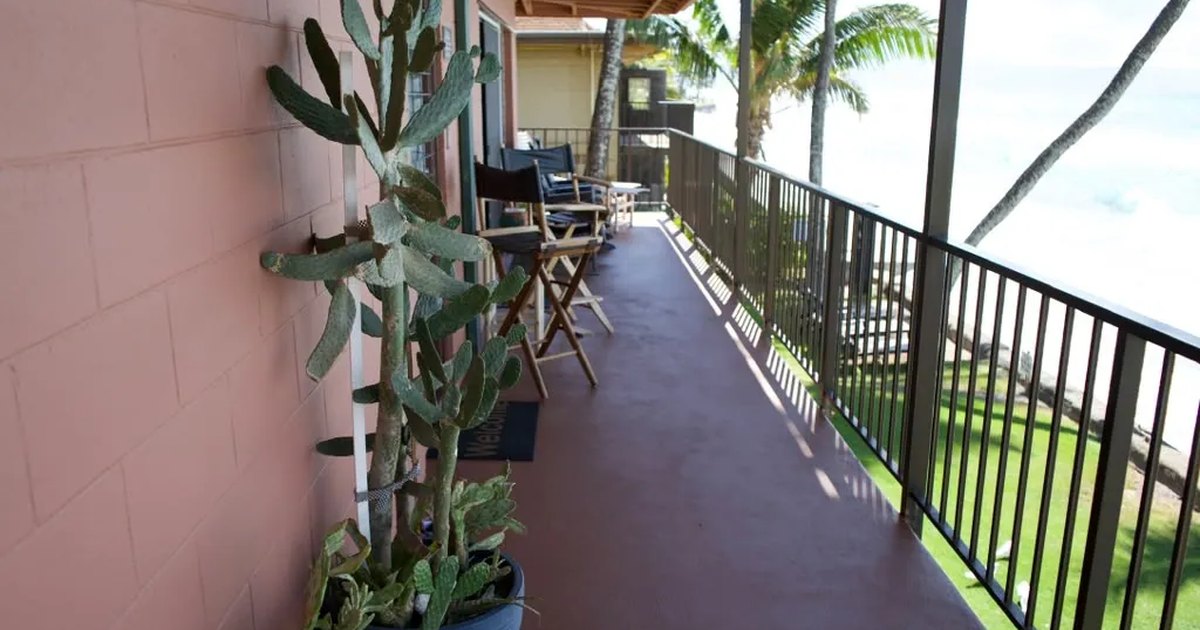
Unit 711 gives you the reason people choose Maui over Oahu: open ocean, no resort crowds, a private west-facing lanai, and reef snorkeling off the lawn. The city can wait.
Check availabilityCost
Both islands are expensive by any mainland standard. Oahu has marginally more budget accommodation options in the Waikiki and downtown areas. Maui's resort strip and condo complexes skew higher. If cost is a primary factor, a well-chosen condo in Kihei -- like a direct booking without resort fees -- can make Maui competitive with mid-range Oahu hotels.
The Short Answer
- Choose Maui if: you want beaches, snorkeling, whales, nature, quiet mornings, and a slower pace.
- Choose Oahu if: you want city life, Pearl Harbor, more activities, nightlife, or are on a tight budget.
- Do both if: you have 10 or more days and want to see the range of what Hawaii offers.