Best Snorkeling Spots Near Kihei, Maui
South Maui has some of the clearest, calmest snorkeling water on the island. From the reef that starts where the Maui Sands Seaside lawn ends, to the submerged crater at Molokini twelve miles offshore, here is the ranked breakdown of every site worth your time.
The Reef at Maui Sands Seaside (Free, Zero Drive)
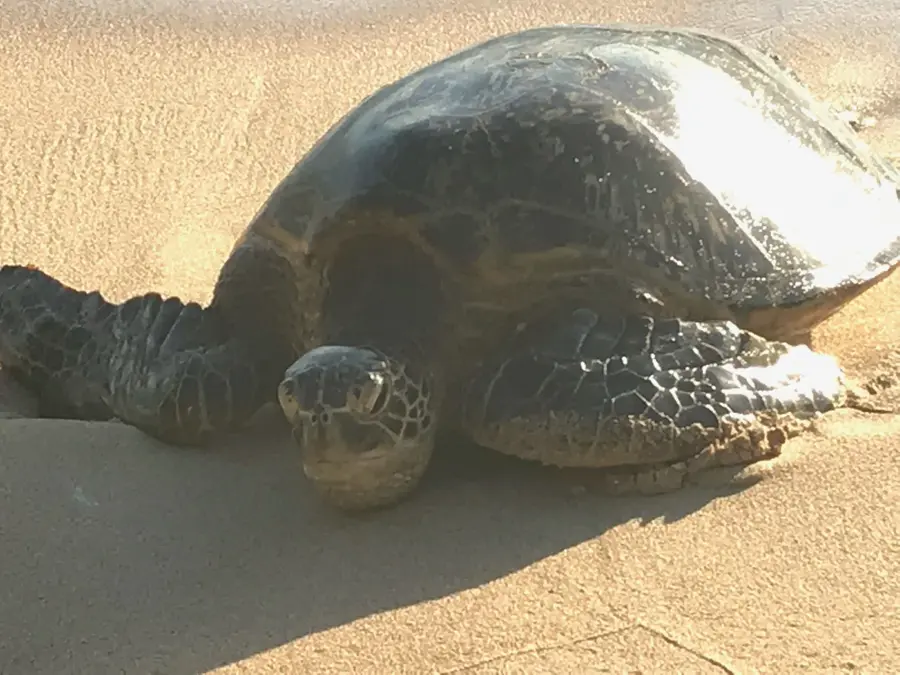
The reef that runs along the lawn of Maui Sands Seaside is an underrated spot. It sits in protected water, which keeps the surface calm most mornings, and the fish life is dense -- parrotfish, triggerfish, Moorish idols, and the occasional Hawaiian green sea turtle resting on the sandy bottom. Entry is from the shore, best at high tide when the rocks near the edge are fully submerged. Bring your own fins and mask; the snorkeling here is completely free.
If you are staying at unit 711, this is the reef you see from the lanai. You can watch conditions from thirty-five feet up before you even put your mask on.
Kamaole Beach Parks I, II, and III
The three Kamaole beaches form a continuous stretch of South Kihei and each has slightly different snorkeling. Kamaole I has the best rocky points on either end where fish concentrate. Kamaole III has the most parking. All three have lifeguards during peak hours, rinse showers, and easy shore entry. Morning is better than afternoon when trade winds pick up. These beaches are a five-minute drive from Maui Sands Seaside -- close enough to lap them all in a single outing.
Ulua Beach / Mokapu
A short drive north into Wailea, Ulua and the adjacent Mokapu Beach share a rocky point that delivers consistent underwater activity. This is one of the best shore snorkel sites on the island for intermediate swimmers -- the rocky ledge drops away into deeper water where you find wrasse, eels, and the occasional octopus. Park in the public lot off Ulua Beach Road. Go early; the lot fills by 9 a.m. in high season.
Ahihi-Kinau Natural Area Reserve
About fifteen minutes south of Kihei, Ahihi-Kinau is a protected marine reserve with some of the clearest water on the island. Fish density is high because take-fishing is prohibited. The entry points are rocky lava, so water shoes or reef boots are strongly recommended. The reserve has restricted parking and timed entry from 5:30 a.m. to 7:30 p.m.; check the DLNR website for current rules before you go. Once you are in the water, the coral coverage and fish variety are exceptional.
Stay at the water’s edge
Unit 711 at Maui Sands Seaside sits directly above the reef. Walk down the lawn, put your mask on, and you are in. Thirty-five feet of private lanai facing open water to Molokai and Lanai.
Check availabilityMolokini Crater
Molokini is the gold standard and deserves to be. The partially submerged volcanic crater sits about twelve miles offshore and creates a sheltered basin with visibility that regularly exceeds 150 feet. Fish life is extraordinary -- over 250 species have been recorded here. You reach it by boat tour, which depart from Maalaea Harbor about six miles north of Kihei. Book the early-morning departure (before 7 a.m.) to get there ahead of the crowds and in the calmest water. Most operators include snorkel gear, wetsuits, and a snack.
Turtle Town (Maluaka Beach)
The stretch of water off Maluaka Beach in Makena goes by the unofficial name Turtle Town because Hawaiian green sea turtles consistently feed and rest on the coral heads here. Shore entry is easy from the beach and the water is calm most of the year. This site is also accessible by kayak from Makena Landing, which adds an extra dimension if you want to combine paddling and snorkeling in one outing.
Tips for All Sites
- Early morning (7 to 9 a.m.) gives you calmer water and better visibility before afternoon trade winds disturb the surface.
- A wetsuit or rash guard is worth it -- the water temperature runs 74 to 80 degrees Fahrenheit depending on season.
- Never touch or stand on coral. It takes decades to grow back from a single contact.
- Stay at least ten feet from any sea turtle. Federal law prohibits harassment under the Endangered Species Act.
- Bring reef-safe sunscreen or wear a rash guard. Standard sunscreen containing oxybenzone is banned in Hawaii.