Kihei vs Lahaina: Where to Stay in Maui
Most first-time visitors to Maui face this choice: stay in South Maui (Kihei/Wailea) or West Maui (Lahaina/Ka'anapali/Kapalua). Both coasts are beautiful, both face west, and both have excellent ocean access. But they deliver a noticeably different daily experience.
Geography: What Each Coast Actually Is
South Maui (Kihei/Wailea/Makena) runs along the southwest shore. It is dry, sunny, and in the rain shadow of the West Maui Mountains and Haleakala. The coast faces southwest toward Lana'i and Kaho'olawe. The area runs from the working town of Kihei in the north to the upscale resort strip of Wailea and the wild beaches of Makena in the south.
West Maui (Lahaina/Ka'anapali/Kapalua) runs along the northwest shore. It is similarly dry and sunny in the south (Lahaina area) but gets wetter and windier as you move north toward Kapalua. The coast faces west across the Auau Channel to Lana'i. Lahaina was the historic center of the island before the 2023 fire significantly changed the town's character.
The airport (OGG) sits in the middle, in Kahului. Both coasts are roughly 30 to 45 minutes from the airport depending on traffic.
Beaches
South Maui has the edge in beach variety and quality. The three Kamaole parks, Keawakapu, Ulua, and Makena give you six beaches of different characters within a 10-mile stretch. The water on the south shore is particularly calm because it is sheltered from trade wind swell. See our South Maui beach guide for details.
West Maui has Ka'anapali -- a long, north-facing stretch of white sand backed by hotels and the Black Rock snorkel area at the north end. Kapalua Bay, at the northern end of the west coast, is one of the most consistently calm and beautiful small bays on the island. Both are excellent. The tradeoff is that north-facing beaches see more afternoon chop from trade winds than south-facing beaches.
Snorkeling
South Maui wins. The reef systems off Kihei, Wailea, and Makena are more extensive and less impacted than most of the west shore. Molokini departs from Maalaea Harbor, which is closer to Kihei than to Lahaina. If snorkeling is a priority, South Maui is the better base.
Whale Watching
Both coasts are good. The Auau Channel runs between Maui and Lana'i and is directly in front of both West Maui and South Maui. You see humpbacks from either shore during season. Whale watch tours depart from both Lahaina Harbor and Maalaea Harbor.
Why Kihei wins for most visitors
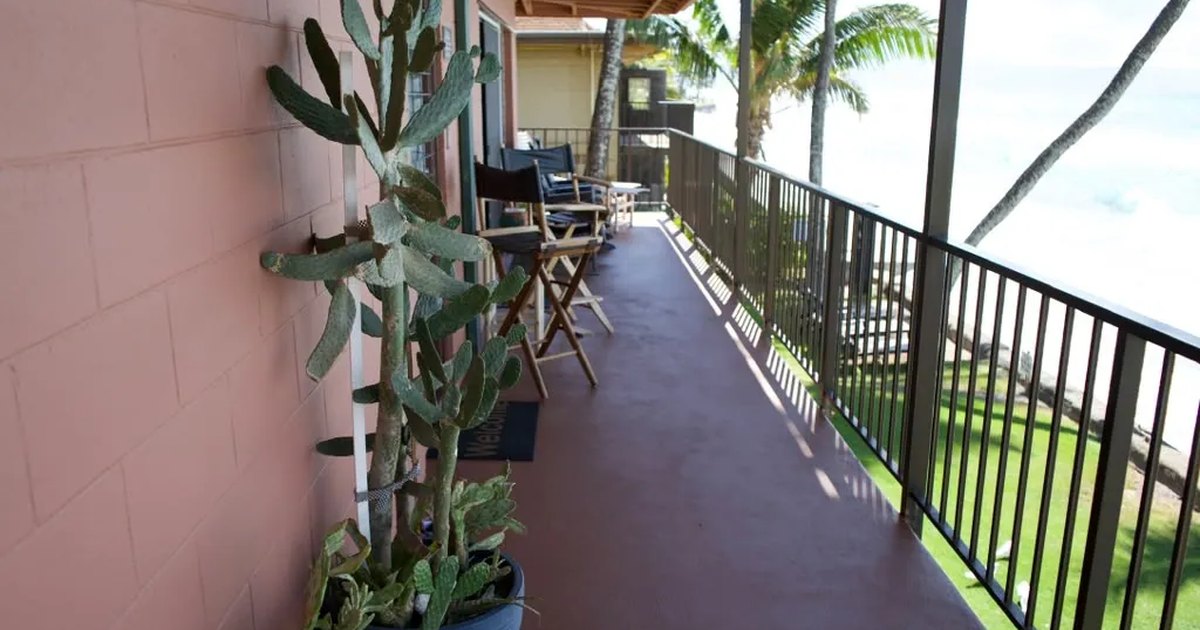
Unit 711 in Kihei gives you South Maui's best beaches within five minutes, the clearest reef snorkeling on the island off the lawn, and a private west-facing lanai. All without the resort infrastructure of Wailea.
Check availabilityDining and Nightlife
West Maui (pre-2023 Lahaina) had the stronger restaurant and bar scene. Post-fire, much of Lahaina's waterfront dining was lost. Recovery is ongoing, but the landscape has changed. Ka'anapali and Kapalua have resort dining, which is good but expensive. Kihei has a solid and varied dining scene -- plate lunch, fresh poke, sushi, and several good mid-range dinner spots along South Kihei Road. Wailea adds the high-end resort restaurants for special evenings.
Cost
Wailea is the most expensive accommodation zone on the island, with resort hotel rates to match. North Ka'anapali and Kapalua are similarly priced. Kihei offers the widest range -- from budget studios to quality oceanfront condos like unit 711 at Maui Sands Seaside. If you want direct ocean access without resort pricing, Kihei is the answer.
The Verdict
- Choose Kihei/South Maui if: beaches, snorkeling, and value are priorities. Best for most visitors.
- Choose West Maui if: you want Ka'anapali or Kapalua specifically, or prefer the west-side resort infrastructure.
- Either works for: whale watching, sunsets, Road to Hana day trips, and Haleakala.