Maui Helicopter Tours: What to Expect and Which to Book
Maui helicopter tours are the only realistic way to see the island's interior -- the 3,000-foot sea cliffs of Molokai, the rain-forest canyons of West Maui, and the moonscape inside Haleakala's crater -- all before lunch. But routes, aircraft, and prices vary enormously, and picking the wrong one is an expensive mistake. Here is what actually happens on board, what each route covers, and how to choose.
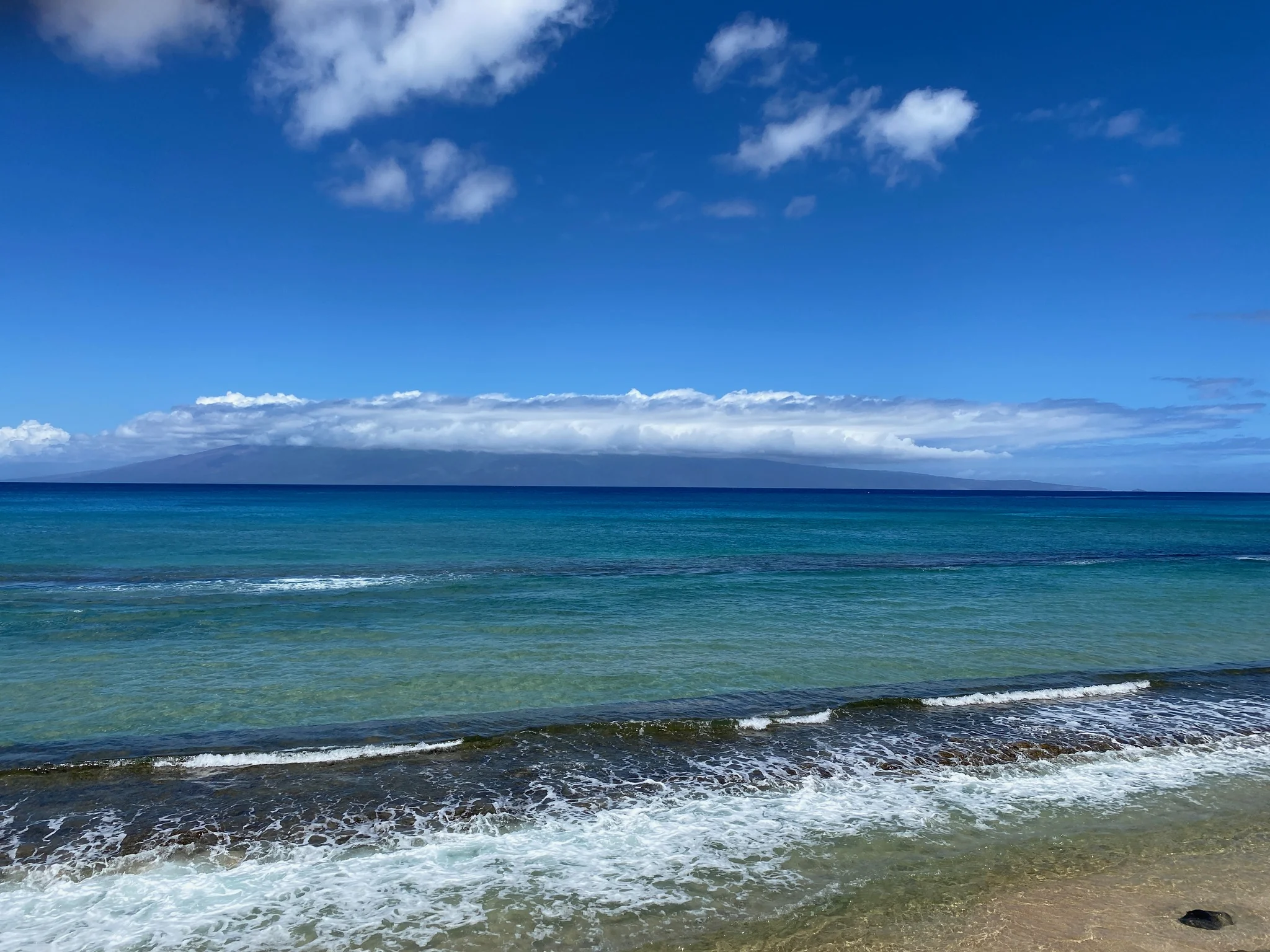
What a Maui Helicopter Flight Actually Feels Like
Most tours run 45 to 90 minutes of flight time, with roughly 30 minutes of check-in, safety briefing, and boarding before that. You will be weighed at check-in -- this is FAA-required, not a judgment -- and seated by the crew to balance the aircraft, so seat requests are usually honored but never guaranteed. Every passenger gets a headset, a live narration from the pilot, and a window. On the larger A-Star and Eco-Star ships, middle seats still have decent sightlines but the window seats are the ones worth having.
The ride itself is far smoother than most first-timers expect. Helicopters hover and bank rather than climb and drop, so the sensation is closer to gliding than to a small plane. The noise is the bigger surprise: even with headsets, you feel the rotors. If you are prone to motion sickness, take something an hour before, choose a morning slot when trade winds are lighter, and ask for a front or middle seat rather than the very back.
The Main Routes, Ranked by What You Get
The West Maui and Molokai combo is the classic and the one most people should book first. You fly north out of Kahului, trace the West Maui mountains, cross the Pailolo Channel, and run along Molokai's north shore, where sea cliffs up to roughly 3,000 feet drop straight into the ocean beside waterfalls that only exist in that wall. It is a full 60 to 75 minutes and the most dramatic single hour you can spend above Hawaii.
The Haleakala crater route heads the other direction, up over the 10,023-foot summit and into the crater itself. From the air you see the cinder cones and the sliding-sands color banding that are invisible from the summit road overlook. Flights often pair this with a Hana pass and its waterfall valleys. It is a strong second choice and a good pick if you have already driven the Road to Hana and want the aerial version.
The complete island tour combines both, usually 90 to 120 minutes, and costs the most. It is the best value per minute of air time, but it is a long time in a small cabin. If anyone in your group is unsure about flying, start with a 45-minute flight and upgrade next trip.
Doors Off, Doors On, and Which Aircraft
Doors-off flights are exactly what they sound like: the side panels are removed for photography. You are strapped in with a full harness and the sensation of wind is real and constant. Bring a camera strap, expect to hold your lens inside the rotor arc, and accept that loose hats and sunglasses leave permanently. Doors-off is worth it if photography is the point of the trip; it is not worth it if you want to relax.
On aircraft, the Airbus A-Star is the workhorse and gets you a slightly sportier ride. The larger Eco-Star has more cabin room, bigger windows, and quieter operation. For a family of four, the Eco-Star is more comfortable. Solo travelers are often seated with strangers, which is normal and fine.
Book the flight, then book the lanai view
Unit 711 sits on the seventh floor at 3559 Lower Honoapiilani Rd #11, with a 35-foot west-facing lanai overlooking the AuAu Channel. After a morning over Molokai's cliffs, you can be back on the coast watching humpbacks and green sea turtles from the rail. Check dates before your helicopter slot fills.
Check availabilityTiming, Weather, and Cancellations
Book the earliest slot you can tolerate. Morning flights beat the afternoon trade winds almost every day, and clouds tend to build over the West Maui mountains by late morning. If your schedule allows, book the flight for the first full day of your trip rather than the last -- if weather cancels it, you have room to rebook. Operators cancel for wind, low ceilings, and volcanic haze, and they generally rebook you at no charge. Travel insurance is cheap relative to a $400 seat.
Weight matters more than you think. Passengers over roughly 240 pounds are usually charged for an extra seat, and total passenger weight limits can bump a group to a larger aircraft. Disclose accurate weights at booking. Showing up heavier than declared can mean being left on the ground with no refund.
Cost, Etiquette, and Practical Prep
Expect roughly $300 to $400 per person for a 45 to 60 minute flight, $450 to $600 for the Molokai and West Maui combo, and $700 and up for the full island loop. Doors-off adds a premium. Tips for the pilot are customary and typically $20 to $40 per person.
Wear dark, non-reflective clothing if you plan to shoot through the window -- light shirts bounce off the glass and ruin photos. Leave bags behind, bring only a phone or camera, and secure everything with a strap. Eat something light beforehand; an empty stomach makes motion sickness worse, not better. And sit back for the first five minutes rather than shooting immediately -- the view will still be there, and you will enjoy the rest of the flight more.
One last idea: pair the flight with a ground-level day. Kihei is a natural base for both, with the helicopter operators in Kahului about 20 minutes north. If you are still filling out the rest of your itinerary, our guides to snorkeling spots near Kihei and the best time to visit Maui will help you slot it all in. And if you would rather watch wildlife from your own balcony than from a window seat, the whale watching from your Maui lanai guide covers what shows up off the coast from November through May.
However you fly, the view from above is the one that reframes the whole island. You will spend the rest of the trip recognizing the ridges, valleys, and craters you saw from the air -- and pointing them out from the lanai at O Thank Heaven 4 711.