Whale Watching from Your Maui Lanai
Every year from November through May, approximately 10,000 humpback whales migrate from Alaska to the warm protected waters of the AuAu Channel between Maui and Lana'i to breed and calve. From a west-facing oceanfront lanai in Kihei, you do not need to book a tour to watch them. You just need coffee, a chair, and patience.
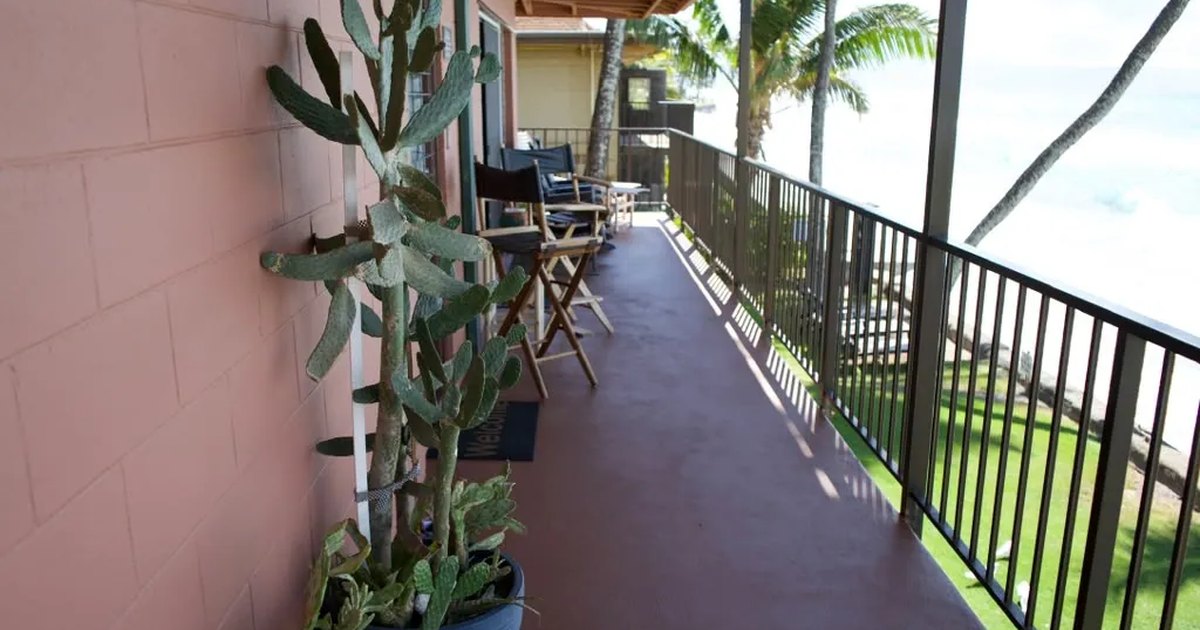
When the Whales Are Here
The first humpbacks typically arrive in the AuAu Channel in late October or early November. The population peaks in January through March, when the channel holds the highest concentration of humpbacks anywhere in the Pacific. By late April and early May, the whales are beginning the migration north. A few early stragglers may remain into June, but May is the reliable end of season.
If you are visiting in November through April, you will see whales from the lanai at unit 711 on most days -- sometimes multiple animals simultaneously, sometimes a single blow on the horizon. Peak months (January, February, March) typically produce daily activity. See our full whale watching season guide for complete timing information.
Why the Seventh Floor Changes Everything
Height matters for whale watching. A ground-level or low-floor lanai limits your sightlines -- you are essentially at water level, and the curve of the ocean cuts off your view at a shorter distance. From the seventh floor, the sightline extends significantly farther across the channel. A blow that would be at the edge of visibility from the beach is clearly visible from 70+ feet up. Breeches and tail-slaps that happen further out in the channel register as motion even when you are not actively scanning.
The AuAu Channel runs the length of South Maui's western coast. From unit 711, the entire center section of the channel is visible in a single panoramic view -- from the south end of Kihei down to Makena and across to the near coast of Lana'i. On active days, you can track multiple animals over an extended period without moving from the same chair.
What You Are Looking For
When scanning for whales, train your eye to notice:
- Blow (exhale column): The most visible sign from a distance. A V-shaped column of vapor that rises 10 to 15 feet. Humpbacks exhale forcefully enough that the blow is visible for miles in clear conditions.
- Breach: The full or partial leap from the water. The largest behavior and the most dramatic. A 40-ton animal clearing the surface -- when it happens close, the impact sound carries to the lanai.
- Tail slap (lobtail): The fluke raised and slapped repeatedly on the surface. Social behavior, possibly communication.
- Pectoral fin wave (pec slap): The long white pectoral fin raised and slapped on the water. Visible from distance due to the white coloration of the pectoral fins.
- Fluke up dive: The raised tail as the whale dives. Iconic. Predictable: after a fluke-up, the whale will be underwater for 5 to 10 minutes.
- Spy hop: The whale raises its head vertically out of the water to look around. Brief and easy to miss, but unmistakable when you see it.
Book a winter or spring stay for whale season
January through March is peak humpback season in the AuAu Channel. Unit 711 faces the channel from the seventh floor. The 35-foot lanai is your private whale-watch platform for the entire stay, no boat required.
Check availabilityBest Times of Day for Lanai Whale Watching
Whale activity in the channel is not strongly tied to time of day -- whales breed and socialize around the clock during peak season. That said, the practical window for lanai watching is sunrise through late morning (surface activity is often highest in morning, and the light angle makes blows easier to see), and late afternoon through sunset (light quality is best, and the activity before nightfall is often elevated). The 10 a.m. to 2 p.m. window is typically least productive, both in terms of whale visibility and sun angle.
Binoculars Are Worth It
A decent pair of 8x42 or 10x50 binoculars transforms the lanai whale-watching experience. The naked eye can detect a close blow or a breach. Binoculars let you track the animal between surfaces, identify behavioral patterns, and distinguish individual pods. Many guests bring binoculars primarily for the whales and end up using them throughout the trip for reef watching, bird identification, and watching the sunset light on Lana'i.
Whale Watching Boat Tours
Lanai watching is spectacular but a boat tour gives you close encounter access that no vantage point on shore can match. Boats approach to the legal minimum distance (100 yards under federal regulations) and the naturalists explain what you are watching. The Pacific Whale Foundation departs from Maalaea Harbor, 10 minutes from Kihei. Trilogy and Ocean Spirit also run solid whale-watch tours. Book the 7 a.m. departure for the calmest water -- afternoon trades increase chop in the channel. Our full guide covers both shore and boat options in detail.