Best Photography Spots in Maui
Maui rewards patience and early mornings. The light here at golden hour -- the 30 minutes after sunrise and before sunset -- is genuinely extraordinary, and the subjects are there regardless of whether you have a DSLR or a phone. Here are the spots worth building your schedule around.
Haleakala Summit at Sunrise
The most dramatic landscape photography location on Maui. The crater at 10,023 feet, the cloud inversion below you, and the soft pink and gold light of a Pacific sunrise combine into a scene that looks like the surface of another planet. You need the timed-entry reservation booked 60 days in advance. Come with a wide-angle lens or a phone and patience for the 20-minute sunrise sequence. The silica-red cinder floor of the crater reads brilliantly in the post-sunrise light.
West-Facing Lanai at Sunset
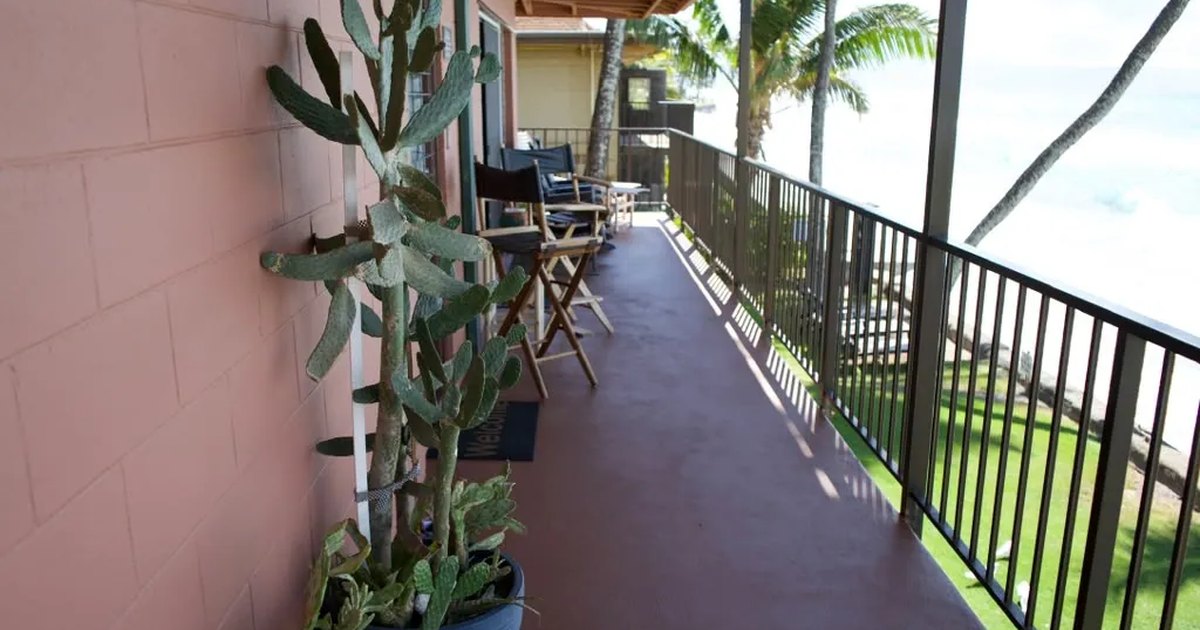
The 35-foot west-facing lanai at unit 711 gives you a clean horizon view over the Auau Channel at sunset. The Lanai silhouette in the orange light, the humpback spouts in whale season, the green flash on the clearest evenings. This is not a location you have to drive to or compete with other photographers to access. It is your private vantage point for the entire trip.
Hawaiian Green Sea Turtles at the Shoreline
When a honu rests on the rocky shoreline at Maui Sands Seaside, the shooting window is excellent if you are patient. A 200mm equivalent zoom gives you a compelling frame without approaching within the required ten feet. Early morning light is low and warm. The texture of lava rock contrasts with the turtle's ancient-looking shell. Stay still, wait, and let the turtle set the frame.
Wai'anapanapa Black Sand Beach
The black sand at Wai'anapanapa comes from volcanic lava and the waves hit the coastline here with an energy that produces dramatic motion blur in long exposures. The sea arches on the trail that rings the beach are exceptional in morning light. Requires the timed-entry reservation at recreation.gov. Best shot in early morning light when the sand is still wet and the wave action is softer.
McGregor Point in Whale Season
The lighthouse at McGregor Point is one of the best shore positions for whale photography in peak season (January through March). The point projects into the channel and gives you an unobstructed water view at your eye level. A telephoto lens (400mm+ equivalent) gives workable reach for a breach or blow. Use burst mode and pre-focus on an area of water where you saw recent activity. The whales move -- anticipate their next surface position based on direction and dive pattern.
Your private photography platform
Unit 711's 35-foot lanai is a west-facing, unobstructed vantage point above the ocean. Sunrise colors the clouds over Haleakala to the east. Sunset drops behind Lanai to the west. Whales breach in the channel in season.
Check availabilityRoad to Hana Waterfalls
The waterfalls along the north coast of Maui photograph best after rain -- the flow is heavier and the surrounding green is more intense. A polarizing filter dramatically reduces glare on the water and deepens the green. Most waterfall shots benefit from a slower shutter speed (1/30 to 1/4 second) that smooths the falling water into silk -- you need a tripod or a stable rock to rest on. Visit in the early morning before the tour convoy arrives.
Ahihi-Kinau Underwater
The lava formations and dense fish life at Ahihi-Kinau make for compelling underwater photography. A GoPro in a waterproof housing handles most of what you encounter -- the ambient light is good in the morning and the subjects are accessible at shallow depth. Get low, shoot up toward the light with fish or a turtle in the frame, and let the subject move toward you rather than chasing it.
Upcountry Maui at Golden Hour
The agricultural fields and rolling terrain of upcountry Maui -- Kula, Makawao, Paia -- photograph beautifully in the late afternoon light. The mix of ranch land, eucalyptus, and distant ocean creates layered landscapes that contrast sharply with the coastal shots. Worth a half-day drive up from Kihei, ideally timed so you are in the fields at 4 to 5 p.m. and back at the unit before dark.