Hawaiian Cultural Experiences Every Visitor Should Try
Hawaiian culture is not a backdrop for vacation photography. It is a living tradition with its own language, navigation science, agricultural knowledge, and art forms -- all of which nearly disappeared within living memory and are now being actively revived. The most meaningful experiences a visitor can have here are the ones that acknowledge that context.
Learn a Few Words of 'Olelo Hawai'i
Hawaiian is a co-official language of the state and has been in active revitalization since the 1970s. A few useful words go a long way in demonstrating respect and making real connections:
- Aloha -- hello, goodbye, love, and a complete philosophy of relationship
- Mahalo -- thank you
- Pono -- righteousness, balance, doing the right thing
- Mauka -- toward the mountain (inland direction)
- Makai -- toward the ocean
- Honu -- green sea turtle (you will encounter them; know what you're looking at)
- Kapu -- sacred, forbidden (you will see this on signs; it is not decorative)
The glottal stop ('okina, the apostrophe-like mark) and macron (kahako, the line over vowels) in Hawaiian spelling are not decorative -- they change pronunciation and meaning. Hawai'i has a glottal stop between the two i's. Maui does not.
Watch Hula Performed by Practitioners
Hula is not entertainment. It is a system for storing and transmitting cultural knowledge -- genealogy, geography, astronomy, history -- through movement and chant. The distinction between Hula Kahiko (ancient form, chant and percussion) and Hula 'Auana (contemporary form, with instruments including ukulele and guitar) matters. Both are valid. Neither is a floor show.
The best places to watch genuine hula on Maui include: the annual Maui Film Festival hula performances, the Maui Arts and Cultural Center events, the Maui County Fair hula competition, and the free community hula performances that various halau (hula schools) give at outdoor venues in Paia and Makawao. The Old Lahaina Luau (see our luau guide) presents some of the most culturally serious hula available in a visitor-accessible setting.
The Maui Ocean Center
The Maui Ocean Center in Maalaea is a serious institution, not just an aquarium. The Hawaiian journey exhibit covers traditional Polynesian wayfinding -- how Hawaiian navigators crossed thousands of miles of open Pacific without instruments, using stars, swells, wind, bird behavior, and cloud formations. The exhibit is among the best public explainers of Polynesian navigation science in the state. The center also presents native Hawaiian coral species, reef fish, and marine mammals in a way that frames the ocean as a cultural resource, not just scenery. Budget two to three hours. Tickets run $35 to $45 for adults.
Hana Highway and the Cultural Landscape
The Road to Hana passes through a stretch of coastline that has been continuously settled for over a thousand years. The taro patches at Keanae Peninsula, the Pi'ilanihale Heiau (the largest remaining heiau in Hawaii, in the Kahanu Garden), and the dozens of smaller shrines and cultural sites along the route are not incidental to the scenery -- they are the oldest part of it. Pausing at the heiau at Kahanu Garden with a guided tour puts the landscape in context that no scenic overlook sign can provide.
Pacific Whale Foundation
The Pacific Whale Foundation, based in Maalaea, runs whale watch tours and free public education events throughout whale season (November through May, peak January through March). Their research program is directly connected to Hawaiian cultural relationships with whales -- humpbacks have traditional significance in Hawaiian storytelling and navigation -- and their naturalist staff present that context alongside the biology. Free shoreline talks and community events are listed on their website and at the Maui Ocean Center.
Watch for honu from the lanai
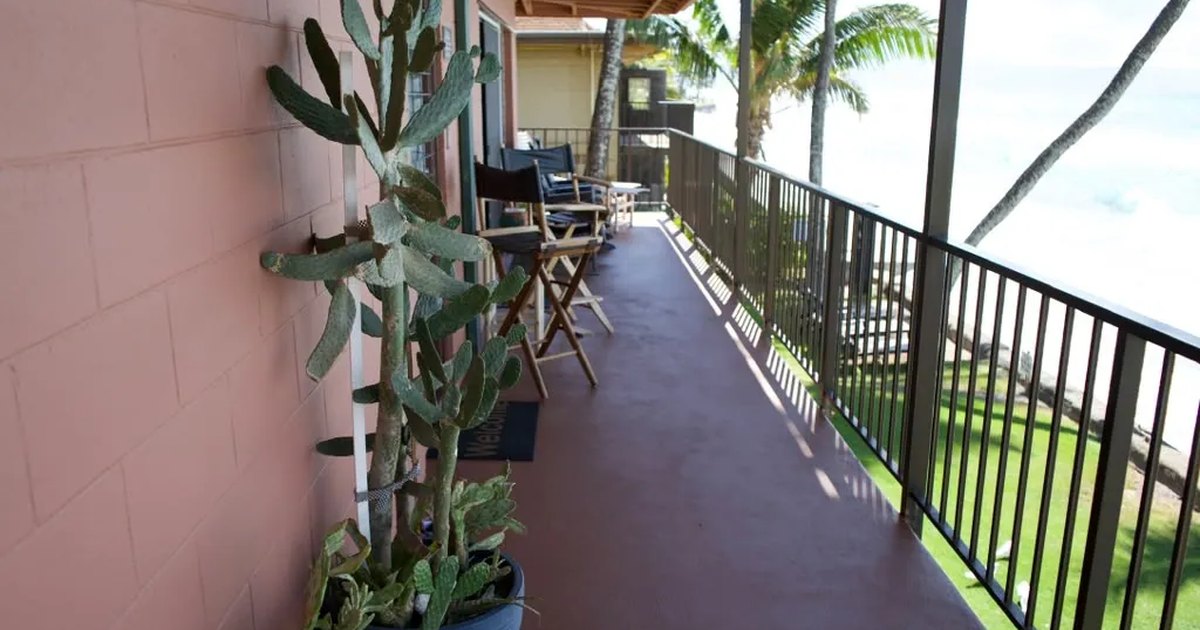
Unit 711 sits directly above the rocky shore where Hawaiian green sea turtles rest. From the seventh floor, you can watch without approaching, without disturbing, and with a 180-degree view of the channel they share with the whales.
Check availabilityA Note on Photography at Cultural Sites
Heiau and sacred sites are active spiritual places, not ruins. Ask before photographing. Read and respect kapu signs. The ten-foot rule that applies to sea turtles applies to cultural sites too -- approaching closer does not give you a better experience, it degrades the site for others and violates the relationship between the place and its custodians.
Upcountry Farmers Markets
The Upcountry Farmers Market in Kula and the Maui Swap Meet at the University of Hawaii Maui College in Kahului are among the most authentic access points to local food culture. Kalo (taro), breadfruit, lilikoi (passion fruit), Maui Gold pineapple, locally grown avocados, and prepared Hawaiian foods like poi and lomi salmon are available here at prices that reflect the actual local economy. Talking to the farmers and food vendors -- many of whom are Hawaiian -- is a genuine cultural exchange that no luau can replicate.
Be Specific About What You Are Calling "Hawaiian"
Much of what gets marketed as Hawaiian in tourism contexts is Polynesian broadly, Pacific-influenced, or simply the multicultural heritage of Hawaii's diverse resident population (Portuguese, Japanese, Filipino, Chinese, Puerto Rican). That heritage is real and worth exploring. But it is worth being specific: hula is distinctly Hawaiian; poi is distinctly Hawaiian; the philosophy of aloha 'aina (love of the land) is distinctly Hawaiian. Knowing the difference makes every experience richer.