How to Choose the Right Oceanfront Vacation Rental in Maui
Booking an oceanfront vacation rental in Maui involves more variables than most travelers realize. The word "oceanfront" covers everything from a unit with a direct lanai-over-water experience to a ground-floor unit with a partial ocean glimpse. Getting this right before you book is the difference between a trip that meets expectations and one that doesn't.
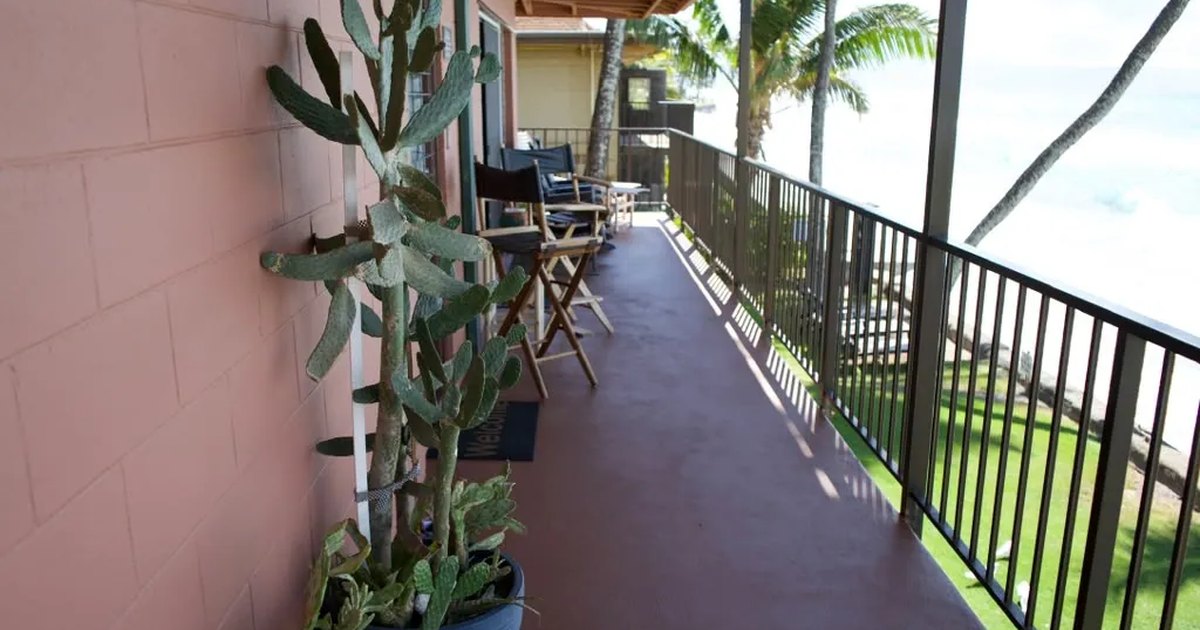
Question 1: Is the Building Actually at the Ocean's Edge?
Pull up the property address in Google Maps satellite view before booking. The satellite image shows you the relationship between the building and the water that no listing description will ever tell you clearly. Is the building at the shoreline? Is there a road between the complex and the ocean? A parking lot? Another building?
True oceanfront means the building is at the water's edge with no intervening structure. In South Maui, genuine oceanfront complexes include Maui Sands Seaside (where unit 711 is located) and a handful of others along South Kihei Road. Many "ocean view" properties are actually on the inland side of the road, looking at the water across the lanes of traffic.
Question 2: What Floor Is the Unit On?
In a true oceanfront building, floor level changes the experience significantly. Ground floor units are at water level but often feel hemmed in -- the landscaping and sea wall are in the sightline, and the ocean feels close but not expansive. Mid and upper floor units get the elevated view that makes an oceanfront location feel truly open. A seventh-floor unit in a west-facing building has a horizontal sightline that reaches the horizon without obstruction.
Also check whether the unit is on the ocean-facing or parking-facing side of the building. Not every unit in an "oceanfront complex" has an ocean view -- some face the interior. The listing should show this, but verify with the photos and the host if unclear.
Question 3: How Big Is the Lanai?
The lanai (outdoor covered deck) is where you will spend a significant portion of your waking hours at a Maui condo. A small Juliet balcony with one chair is not the same experience as a 35-foot deck with a dining table and lounge chairs. Look at the listing photos for scale. Compare the furniture size to the railings. Ask the host for the lanai dimensions if it matters to you.
Also check whether the lanai faces the ocean or a courtyard. Some complexes have large lanais that face the parking lot or a garden rather than the water. The orientation on the building matters as much as the size.
Question 4: What Are the Total Fees?
Maui vacation rental pricing is famous for "resort fees" and cleaning fees that inflate the nightly rate substantially. The listed nightly rate may be 30 to 50% lower than the actual cost per night when you factor in:
- Cleaning fee (typically $150 to $400 per stay)
- Service fee (booking platform, typically 14 to 20% of nightly rate)
- Tax (Hawaii GET + TAT, approximately 14.96% combined)
- Resort fee if applicable (typically $30 to $65 per night at resort-managed properties)
The condo vs hotel comparison requires doing this math on both sides. A direct booking from the owner (like this one) eliminates the platform service fee, which is meaningful on a 7-night stay.
What unit 711 offers
Seventh floor, true oceanfront, west-facing 35-foot lanai, direct booking (no platform service fee), full kitchen. The satellite image shows Maui Sands Seaside sitting at the water's edge with nothing between the building and the ocean.
Check availabilityQuestion 5: What Is the Water Access Situation?
Does the property have direct water access from the grounds, or does swimming require driving? Complexes on rocky shoreline have reef snorkel access from the property but no sand. Complexes at sandy beaches have swimming access but rarely have good snorkeling from the property. Some complexes have no meaningful water access despite being "oceanfront" -- the shoreline is rocky, the entry is difficult, and the nearest usable beach is a drive away.
For snorkelers who want to walk out and jump in, a rocky reef complex is often better. For families with young children who primarily want to swim and play in sand, a complex near a beach park is more practical. Know what you want before you book.
Question 6: Is the Location Quiet?
South Kihei Road is the main commercial corridor of Kihei. Complexes directly on South Kihei Road may have traffic noise audible from the unit, particularly from road-facing bedrooms. The best combination is a complex set back from the road with the building facing the water -- which puts the road noise behind you. Check the satellite view again for the property's setback from South Kihei Road.
Question 7: Direct Booking or Platform Booking?
Booking directly with the owner or manager of the property rather than through a third-party platform (Airbnb, VRBO, etc.) eliminates the platform service fee (typically 14 to 20% of the nightly rate on the traveler side). On a 7-night stay at $350 per night, that is $350 to $490 saved. Many owners will match or beat platform pricing for direct bookings, and direct bookings also allow for more direct communication about the property. Search for the property's own website or contact information if you find it through a platform listing.
Question 8: What Do Recent Reviews Say About the Specific Unit?
Complex-level reviews and unit-level reviews are different. A complex may have excellent reviews overall, but a specific unit may have ongoing issues -- a noisy elevator, a bathroom that needs updating, a view partially blocked by a palm tree that grew. Read the reviews for the specific unit you are booking, not just the complex rating. Pay attention to the recency of reviews -- property conditions change over time, and a review from four years ago may not reflect the current state.