Molokini Snorkeling Maui: The Complete Guide
If you are planning Molokini snorkeling in Maui, you have probably seen the same photo a hundred times: a crescent of volcanic rock floating in impossibly clear blue water. That photo is real, and the snorkeling there is genuinely excellent. But the trip has more logistics attached to it than most people expect, from which side of the crater you actually visit to how early you have to wake up to get a good mooring. Here is what the day really looks like.
What Molokini Actually Is
Molokini is a partially submerged volcanic crater sitting about three miles off the south Maui coast, roughly halfway between Kihei and Makena. Only the northern rim rises above the surface, forming that curved crescent shape. The crater interior is a shallow shelf that drops from about 10 feet at the edges to roughly 35 to 40 feet in the middle, and the whole thing sits inside a state Marine Life Conservation District.
That protection matters. No fishing, no anchoring on coral, no taking anything. The result is water clarity that regularly reads as 100 feet or better and a fish population that is noticeably denser than most spots you can reach from shore. Expect to see Moorish idol, chub, parrotfish, triggerfish, yellow tang, and the occasional whitetip reef shark resting on the sand. If you snorkel the outer edge near the wall, the drop-off gets dramatic fast, which is why this site appeals to both first-timers and experienced divers.
The Ride Out and How the Day Is Structured
Almost every Molokini trip leaves from Maalaea Harbor, which is about a 20-minute drive north of Kihei. A smaller number of operators run out of Kihei boat ramp, and those boats are typically six-passenger rigid inflatables rather than the larger catamarans. The crossing to the crater takes 20 to 45 minutes depending on the vessel and the wind.
Most trips are four to five hours dock to dock. You will usually get somewhere between 45 and 75 minutes of actual snorkel time at Molokini, and many boats add a second stop on the way back, often at Turtle Arches or along the Makena coastline for a chance at Hawaiian green sea turtles. If the wind or swell makes the crater unpleasant, a good captain will pivot to an alternate site instead of forcing it, and that is a sign of a well-run operation, not a downgrade.
The single biggest factor in your experience is departure time. The earliest boats leave around 7 a.m. and reach the crater before 8. By 10 a.m. in high season there can be a dozen vessels circling the same rim, which means more people in the water and fewer available moorings. If you only take one piece of advice from this guide, take this one: book the early boat.
Stay ten minutes from the harbor
Unit 711 sits at 3559 Lower Honoapiilani Rd #11, a short drive from Maalaea Harbor and the Kihei boat ramp. Roll out of bed, drive ten minutes, and you are on the water before the fleet arrives. The 35-foot west-facing lanai is a good place to rinse gear, dry towels, and watch the sunset after a morning in the crater.
Check availabilityWhich Operators Are Worth Booking
There are two broad categories of Molokini trip, and they are not interchangeable.
Large catamarans. These carry 40 to 100 passengers, have bathrooms, breakfast and lunch, onboard SNUBA or intro dive options, and waterslides for kids. They are comfortable and good for families, non-swimmers, and anyone who wants a full-service day. The trade-off is a crowd in the water and a slower boarding process.
Small raft and six-pack charters. Six to twenty passengers, minimal frills, faster crossing, and a captain who can read conditions and pick the best side of the crater on the day. These are better for confident swimmers, photographers, and anyone who wants more time in the water and less time waiting in line for a snorkel mask.
Whatever you pick, look for three things in the listing: a stated check-in time (earlier is better), confirmation that snorkel gear and flotation are included rather than a paid add-on, and whether the price includes the state Marine Life Conservation District fee. Read recent reviews specifically for the words "crowded" and "visibility." Both fluctuate by season and by departure slot, and a two-year-old review tells you nothing about current conditions.
Molokini Versus Snorkeling from Shore
This is the honest comparison most guides skip. Molokini delivers consistently better visibility and a wider variety of reef fish than almost any shore entry on the island. What it does not deliver is turtles in any reliable numbers, because the crater interior is mostly sand and coral with little for them to graze on. Turtles show up at the second stop on many tours, and they show up reliably at several south Maui shore spots.
The good news is you do not have to choose. The reef directly off the lawn at our property is a legitimate snorkel site in its own right, with turtles on the shoreline and a reef that holds up well on calm mornings. Plan Molokini for a morning early in your trip and treat shore snorkeling as your daily warm-up. If you want a full breakdown of the south shore options, our guide to the best snorkeling spots near Kihei covers water entry points, parking, and which spots work when the wind picks up.
Timing, Conditions, and What to Bring
Molokini sits in the Alalakeiki Channel, and it is exposed. Mornings are almost always calmer than afternoons, which is another argument for the early boat. Winter brings larger north and west swells that can shut the crater down entirely for days at a time, so build flexibility into your itinerary rather than booking Molokini for your only full day. Summer generally offers the calmest and clearest water of the year.
If you are visiting between November and May, keep an eye out on the crossing. The AuAu Channel is prime humpback habitat, and captains will often slow down for whales. There is more on that in our humpback whale watching guide.
Pack light but pack correctly: reef-safe mineral sunscreen (chemical formulas are banned in Hawaii waters), a rash guard instead of bare shoulders, a dry bag or small backpack, a towel, a light jacket for the windy ride back, and your own mask if you own one that fits well. Boats provide gear, but a personal mask that does not leak is worth the luggage space. Our Maui snorkeling gear guide has a full checklist, and the complete Maui packing list covers the rest of the trip.
One last practical note: eat something before you go, take the seasickness medication before you board rather than after, and tip the crew. They are the reason the mooring, the gear, and the fish briefing all come together.
Making the Most of the Rest of Your Day
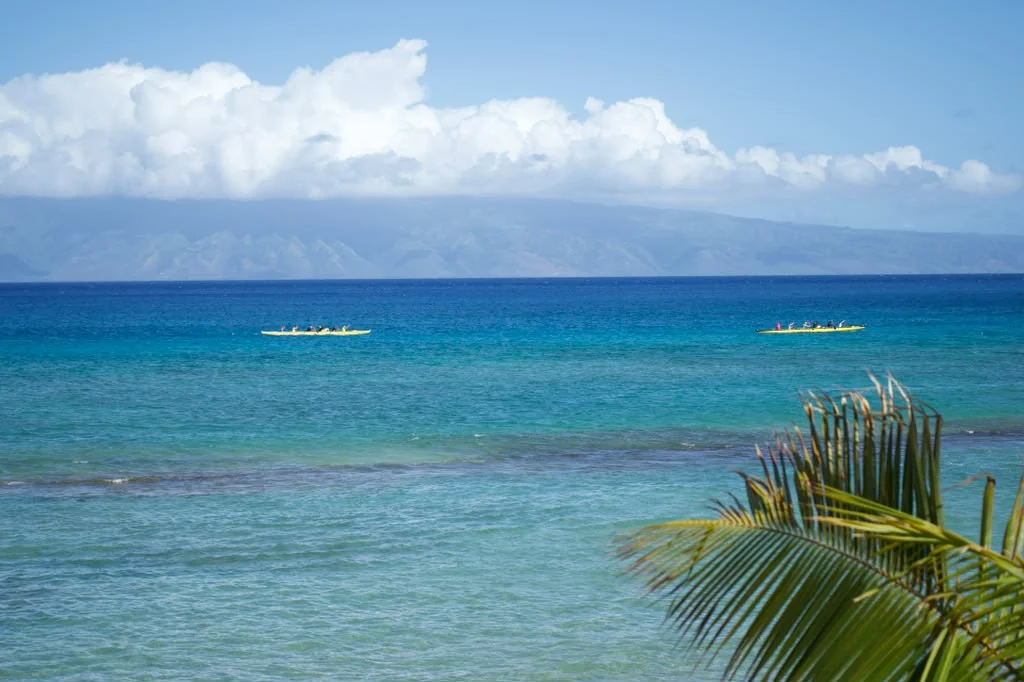
Most Molokini boats are back at the dock by 12:30 or 1 p.m., which leaves a whole afternoon. A natural follow-up is lunch in Kihei, a nap on the lanai, and then an easy sunset. From the seventh floor at 3559 Lower Honoapiilani Rd #11 you look west toward Lanai and Molokai across the water you just snorkeled, and on a clear evening the silhouette of Molokini itself is visible along the horizon to the south.
If you want to round out the trip with more time on the water, our guide to Maui water activities covers kayaking, paddleboarding, and diving options that pair well with a crater morning. And if you have not locked in your dates yet, the best time to visit Maui breakdown explains how crowds, surf, and whale season line up month by month.
Molokini is worth the early alarm. Book the first boat, bring your own mask, and give yourself a backup day. Then come home to the lanai and let the trade winds do the rest.