Stand Up Paddleboard Maui: The Best Spots and Where to Rent
Learning to stand up paddleboard on Maui is less about athletic ability and more about picking the right bay at the right hour. South Maui hands you a string of sheltered coves where the water lies flat until mid-morning, the reef sits close enough to see from your feet, and a rental shop is never more than a few minutes away.
Why South Maui Is the Easiest Place to Learn
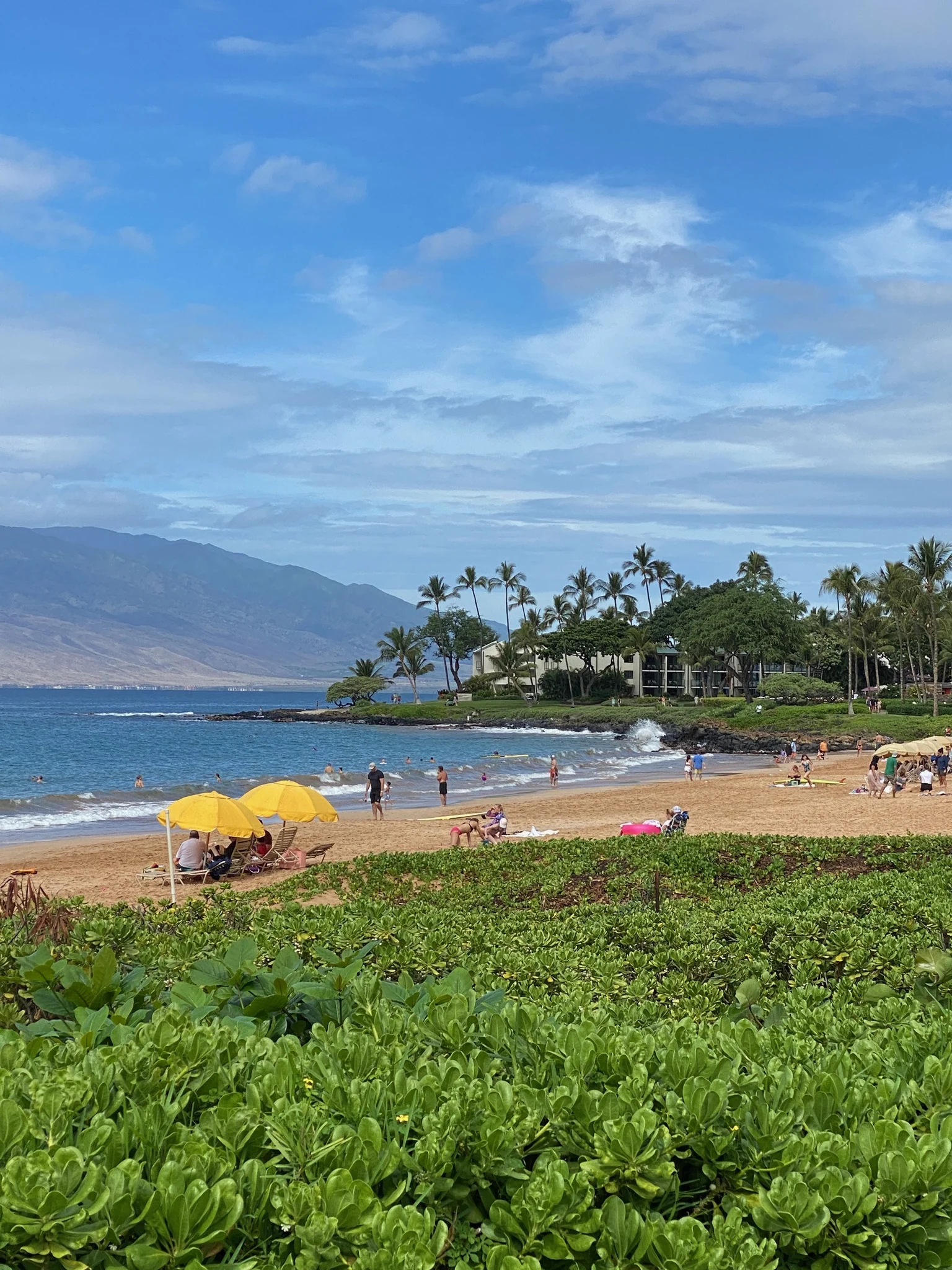
The stretch of coastline running from Kihei down through Wailea to Makena faces west and southwest. That matters because Maui's trade winds -- the ones that build every afternoon -- blow out of the northeast. During the morning hours, South Maui often sits in the wind shadow of Haleakala while the north shore is already choppy. That's why a beginner here can stand up on a board at 8 a.m. while an experienced paddler at Kanaha is fighting whitecaps.
Water temperature is another quiet advantage. It holds in the mid to upper 70s year round, so board shorts and a rash guard are usually enough. No wetsuit, no booties, no numb feet.
The Best Launch Spots, Ranked by Skill Level
These are the launches locals actually use, listed roughly in the order you should try them.
- Cove Park, Kihei. A sandy, protected pocket with a gentle entry and almost no shore break. This is the single best first-time launch on the island. The reef edge is roughly 100 yards out and the inside is shallow enough to see the bottom clearly.
- Kalama Park, Kihei. Wide beach, easy parking, and a long stretch of flat water. There's more boat and kayak traffic here, so keep your head up and stay outside any marked swim areas.
- Keawakapu Beach, Kihei. My favorite for a longer paddle. Launch off the sand at the north end, turn south, and you can cruise past Wailea's resorts with Molokini on the horizon. Best in glassy early-morning conditions.
- Maluaka Beach, Makena. Calm and scenic, with turtles often visible in the shallows. Parking is limited, so arrive before 8 a.m. or skip it.
- Makena Landing. Better suited to intermediate paddlers. Excellent snorkeling along the lava points, but surge near the rocks when the swell is up.
If you're staying oceanfront, you may not need to drive at all. From the shoreline below Unit 711 at 3559 Lower Honoapiilani Rd #11, the water off the lawn is calm enough on most mornings for a short paddle north toward Cove Park. Standing on a board just offshore, looking back at the building, is one of those small Maui moments people remember.
Launch From Your Own Shoreline
Unit 711 sits on the seventh floor with a 35-foot west-facing lanai overlooking the water. Paddle in the morning, rinse off, then watch the sunset over Lanai and Molokai from the railing.
Check availability for your datesWhen to Go: Wind, Tide, and Timing
The single most useful rule: paddle before 10 a.m. Trade winds typically build through late morning and peak in the afternoon, turning flat water into a slog. An early start also means fewer boats, softer light, and a better chance of spotting Hawaiian green sea turtles grazing on the reef.
Tides matter less here than on the mainland, but a mid to high tide is friendlier for beginners because it puts more water over the shallow reef. Check a tide chart the night before. If the swell forecast is running above three feet out of the south, stick to Cove Park or Kalama rather than the more exposed Makena spots.
Between November and May, humpback whales move through the AuAu Channel just offshore. Paddling in the early morning during whale season, you'll often hear a breach before you see it. Keep your distance -- federal rules require staying at least 100 yards from a whale, and they're serious about it.
Renting a Board in Kihei
You have three realistic options, and the right one depends on how long you're staying.
- Hourly or half-day rental. Several shops along South Kihei Road rent soft-top boards by the hour, typically including a paddle, leash, and sometimes a roof rack pad. Two hours is plenty for a first session.
- Weekly rental. If you're here a week or more, a weekly rate usually costs less than three daily rentals. A hard board paddles faster and tracks straighter than a soft-top, which makes longer runs toward Wailea far more enjoyable.
- Guided lessons. Group lessons run about two hours and include everything. Private instruction costs more but gets you standing up in the first fifteen minutes instead of the first hour.
Bring or rent a dry bag for your phone and keys, and use a leash every single time. A board that gets away from you in even light wind moves faster than you can swim.
A Few Things Worth Knowing Before You Go
Don't paddle directly over live coral. If you're in shallow water, kneel and use your hands, or simply paddle back the way you came. The reef off Kihei is genuinely fragile and it's what keeps the snorkeling good for everyone.
Also, sunscreen and boards don't mix well. Apply it before you get on the water so the deck pad doesn't turn into a slip hazard, and consider a long-sleeve rash guard instead. And if you're paddling in the afternoon, understand that the wind will be against you on the way back -- plan your turnaround point accordingly.
If you want to pair a paddle session with a mask and fins, our guide to the best snorkeling spots near Kihei covers the reef right off the same coastline. For a fuller list of water-based options, see our complete guide to Maui water activities. And if you're visiting between November and April, don't miss the whale watching season guide -- some of the best sightings happen from a paddleboard just past the break.