Maui Snorkeling with Kids: Best Spots and Tips for Families
Maui snorkeling with kids works best when you stop chasing the postcard spots and start chasing calm water. Here is where to take young swimmers on the south shore, how to time it around wind and tide, and the small gear decisions that turn a five-minute mask panic into a two-hour reef session.
Start with the right age, not the right beach
Most kids are ready for a real mask and snorkel somewhere between five and seven. Before that, a swim mask and a pool noodle in ankle-deep water is plenty, and honestly more fun for them. The mistake parents make is buying a full snorkel set for a four-year-old, then spending the whole vacation negotiating with a piece of plastic.
What matters more than age is comfort. A child who can float on their stomach, put their face in the water without panicking, and blow out through their nose when water leaks in is ready. Practice in a pool or in the shallow shorebreak at Kamaole I before you commit to a reef. Twenty minutes of practice at the condo pool saves an hour of frustration at the beach.
The south Kihei beaches that actually work for small kids
South Maui is the right home base for this. The water here is protected from the big north shore swell, the reef sits close to shore, and you are never more than a few minutes from a shower and a bathroom.
Kamaole Beach Park I, II, and III all have sandy entries and lifeguards. Kam I has the widest shelf of shallow water, which makes it the easiest place to get a nervous kid comfortable. Kam III is the busiest and has the flattest sand, but parking fills fast after 9 a.m.
Charley Young Beach, at the north end of Kamaole I, is where local families go early. There is a sandy channel between rock outcrops that lets you swim out without crossing coral, and the reef fish start about thirty feet offshore. Go before 8:30 a.m. and you often have it mostly to yourselves.
Ulua Beach and Mokapu Beach in Wailea are further south but worth the drive. Ulua has a gentle entry and consistently good visibility, plus a grassy park with shade and restrooms. Parking is limited and there is no lifeguard, so it suits kids who are already confident in the water.
One honest warning: Makena Landing and the Ahihi-Kinau reserve have spectacular reef, but the entries are rocky, the current can be tricky, and there is no easy bail-out for a tired child. Save those for a day when the kids are older or when one parent can stay on shore.
Reef access without the car ride
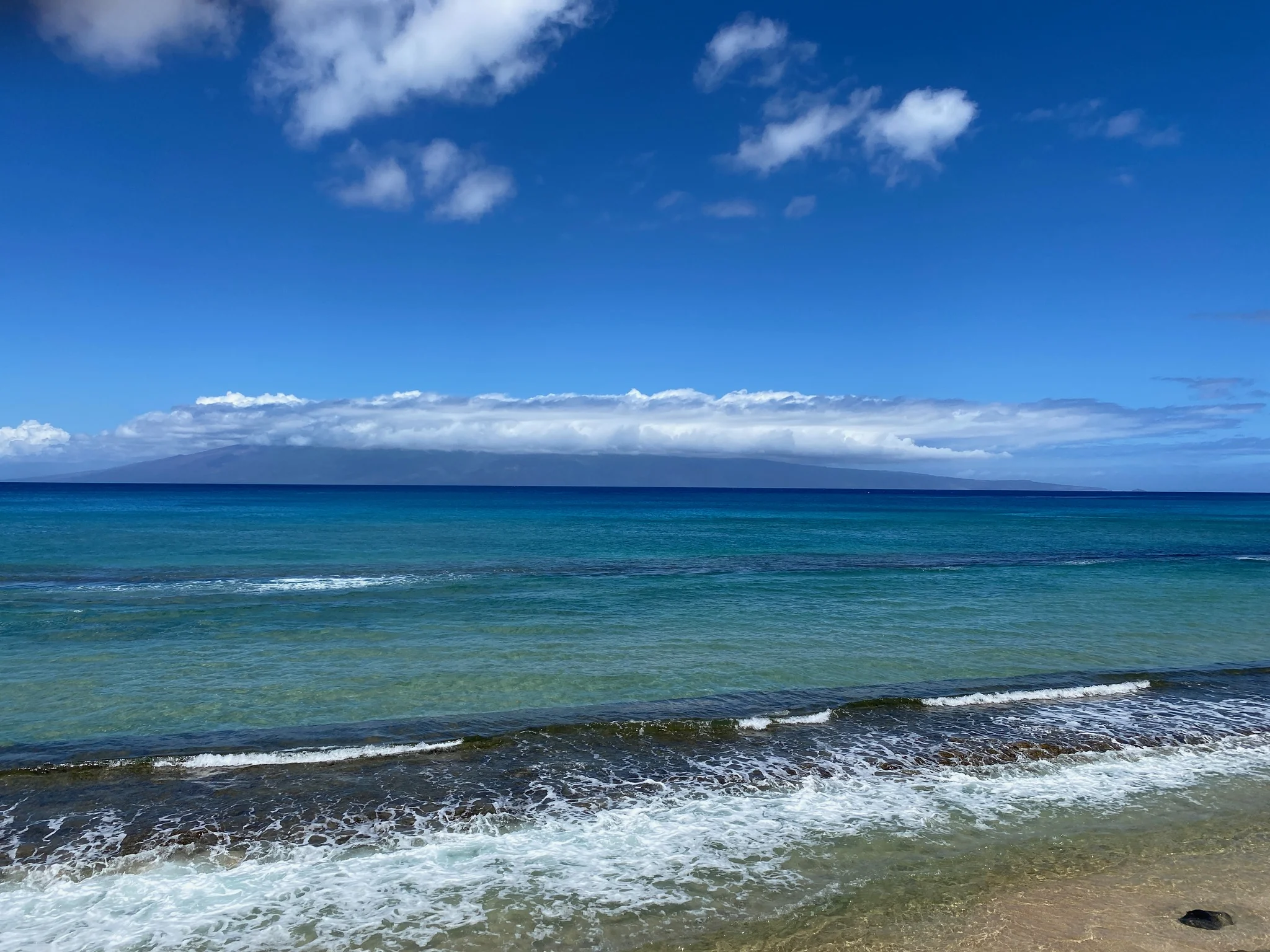
Unit 711 at 3559 Lower Honoapiilani Rd #11 sits on the seventh floor above a shoreline where the reef starts just off the lawn. Gear dries on the lanai, and the whales move through the AuAu Channel from November to May.
Check availabilityTime it around wind, tide, and breakfast
Maui's trade winds pick up almost every afternoon, and by 1 p.m. the surface chop at most south shore beaches makes it hard for a small snorkeler to see anything. The window is early. Aim to be in the water between 7:30 and 10:30 a.m., when the surface is glassy and the light is still angled enough to make fish pop.
Tide matters less than wind, but a low tide exposes more reef and can make entries shallower and rockier. Check the tide chart the night before and if low tide lands mid-morning, pick a beach with a sandy channel like Charley Young rather than a rocky point.
Feed everyone first. A hungry kid in a mask is a done kid. A light breakfast, water bottles, and a snack in the cooler for afterward will get you a longer session than any piece of equipment you buy.
Gear that makes a real difference for kids
Fit beats brand every time. A leaking mask is the single most common reason a child quits, and it is almost always because the mask is too big. Have them press it gently to their face without the strap, breathe in through the nose, and let go. If it stays put, it fits.
Buy a dry-top snorkel. The valve keeps water out when they lift their head to talk, which means fewer saltwater swallows and fewer tears. Fins are worth it too, but get short, soft ones. Long freediving fins are impossible for a seven-year-old to kick.
A rash guard with UPF 50 does more for a full morning on the water than sunscreen alone, and it stays on. Bring reef-safe mineral sunscreen for faces and the backs of legs, and reapply every ninety minutes. If you are still deciding what to pack, the complete Maui packing list covers the reef-safe brands that actually hold up in the water.
What your kids will actually see close to shore
You do not need to go far. On the south Kihei reef, a typical morning includes yellow tangs, saddle wrasses, sergeant majors, and the occasional parrotfish crunching on coral. Trumpetfish hang vertically in the water column and are endlessly fascinating to kids because they look like floating sticks.
Sea turtles are common, especially in the shallows near rocky points. Teach your kids the twenty-foot rule before you get in the water, not after. It is a federal law, and it also makes for a better sighting because the turtle stays put instead of swimming off.
From roughly November through May, the AuAu Channel fills up with humpback whales. You will hear them before you see them. On a calm morning, a snorkeler with their head underwater can pick up whale song through the water, which is the kind of thing kids remember for the rest of their lives.
Keeping the day from falling apart
Cap the session at about an hour of actual water time. Kids get cold faster than adults even in eighty-degree water, and a shivering child is not having fun. Bring a towel and a dry shirt to the beach so the transition off the reef is quick.
Assign one adult to one child. If you have three kids, bring three adults or plan two separate rotations. It sounds obvious, but it is the difference between a relaxed morning and a stressful one.
Finally, keep an eye on the horizon for other people's kids and for sets of larger waves rolling in. South shore surf is usually small, but it is not always flat, and a surprise set can knock a small person off their feet. Standing at the water's edge watching the ocean for two minutes before anyone gets in tells you most of what you need to know about the day.
If you want to compare a few of these beaches side by side, the best snorkeling spots near Kihei breaks down entry conditions and parking for each one. For the days when the wind wins and the water is murky, the green sea turtle viewing guide covers where to see honu from shore instead.
And if you are still choosing where to base the trip, an oceanfront unit with a full kitchen, a washer, and a lanai you can see the reef from changes the whole rhythm of a family vacation. You can read more about unit 711 and the condo and what a morning here actually looks like.