Maui Coral Reef Snorkeling: What You Will See and How to Protect It
Maui coral reef snorkeling is the reason a lot of people book a flight to Kahului in the first place. But the reef is not a static aquarium. It is a living structure that has been through a rough decade of bleaching events, sediment runoff, and too much sunscreen. Here is what you will realistically see off South and West Maui, where to get in the water, and the small habits that separate a curious visitor from a destructive one.
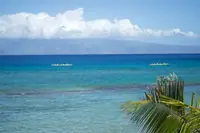
What Maui's Reefs Are Actually Made Of
Hawaii sits at the northern edge of the coral world, which makes its reefs unusual. The dominant framework builders here are lobe coral, finger coral, cauliflower coral, and the flattened plate corals that spread across the basalt in shallow water. Because the islands are young and the water is relatively cool, Hawaii has fewer coral species than the Great Barrier Reef -- roughly 50 hard coral species versus hundreds in the Indo-Pacific -- but most of what grows here is endemic, meaning it exists nowhere else on earth.
That matters for snorkelers because it changes what a healthy reef looks like. You will not find the explosion of soft color you see in photos from Indonesia. You will find gold and green lobe coral heads that look like giant brains, coralline algae painting the rock a dusty pink, and grazing urchins tucked into crevices. Wreckage from 2015 and 2019 marine heat waves is still visible in places -- pale patches, algae-covered skeletons -- so do not assume every gray area is dead. Some of it is recovering, slowly.
The Fish You Will Realistically See
Off South Maui, a decent reef entry gives you a reliable cast of characters in the first ten minutes. Expect schools of yellow tang -- the bright ones on Hawaii license plates and postcards -- along with saddled wrasse, orangespine unicornfish, and the black triggerfish that hover near the surface. Parrotfish are everywhere, and you will hear them before you see them; the crunch of their beaks scraping algae off coral is one of the loudest sounds underwater.
Look down rather than out and you will spot the smaller stuff: hawkfish perched on coral branches, bluestripe snapper in loose groups, and the occasional spotted boxfish that looks like it was designed by a committee. If you are patient and hold still, a green sea turtle may surface beside you for a breath. Keep your distance of at least ten feet -- it is both the law and the reason the turtles keep coming back to these shorelines.
Moray eels are common but shy. Watch for a head poking from a hole, mouth opening and closing rhythmically. That is breathing, not aggression. Do not stick a camera in its face.
Walk to the Water from Unit 711
Our seventh-floor condo at 4711 S Kihei Rd puts you a few barefoot steps from the shoreline reef entry and the turtle grass beds that line this stretch of coast. Gear rinse, lanai, ocean.
Check availability for unit 711Where to Get In the Water Around Kihei
The stretch between Kihei and Wailea is the most forgiving reef access on the island for casual snorkelers. Kamaole Beach Park III is the classic entry: a sandy channel out front, coral heads at either end, and lifeguards on duty. Ulua Beach and Maluaka Beach in Wailea have the healthiest coral cover in the area, though parking fills before 9 a.m. in high season.
Closer to home, the shoreline in front of the condo buildings along South Kihei Road has a shallow reef bench that is best at mid-tide -- too low and you are walking on coral, too high and the surge pushes you into the rocks. Ask about tide timing before you head out; it is the single biggest factor in whether a reef entry is pleasant or bruising.
For a longer list of entries with parking details and condition notes, see our guide to the best snorkeling spots near Kihei. If you need to rent or buy fins and a mask, the Maui snorkeling gear guide covers what is worth bringing versus renting.
The Sunscreen Problem, Explained Honestly
Hawaii banned the sale of sunscreens containing oxybenzone and octinoxate in 2021 because both chemicals damage coral larvae and contribute to bleaching. The ban is a good start, but the label rule is easy to game. Look for active ingredients that are zinc oxide or titanium dioxide, and ideally "non-nano" -- particles small enough to be absorbed by coral tissue are the ones that cause trouble.
The practical version: buy your reef-safe sunscreen before you arrive, because resort gift shops charge a premium and selection is thin. Better still, cover up. A long-sleeve rash guard and a wide-brim hat reduce how much sunscreen you need by half. Apply 20 minutes before you swim so it soaks in rather than washing straight off into the reef.
How to Snorkel Without Touching Anything
The single most damaging thing a snorkeler can do is stand on coral. A fin kick that snaps a lobe coral head kills decades of growth. Practice floating and hovering before you head to the reef -- if you cannot hold yourself off the bottom in eight feet of water, stay over sand until you can.
- Enter and exit through sand channels, never over the reef flat.
- Keep fins horizontal; downward kicks stir sediment and smother polyps.
- Never chase, ride, or block a turtle on its way to the surface.
- Do not feed fish. Bread and peas alter behavior and spread disease.
- Take nothing -- no coral, no shells, no urchins. Hawaii's reef is protected by state law.
If you are new to all of this, consider a guided snorkel from a local operator once. The guides know where the reef is healthiest, they carry proper flotation, and the money stays in the community.
Timing, Visibility, and What to Do When the Water Is Murky
Maui's south shore gets its clearest water in the morning, before the trade winds pick up around 10 or 11 a.m. and chop the surface. Winter swells from the north can reach around the island and stir up the south coast for days, dropping visibility to a few feet. When the water is brown, do not force it -- sediment is one of the reef's biggest stressors. Walk down the beach in the afternoon instead, or check out the green sea turtle viewing guide and see them from the sand.
From our lanai on the seventh floor, you can read the water before you commit. If the surface is glass and the reef line is visible from up here, it is a good snorkel morning. If whitecaps are running and the near-shore water looks sandy, it is a coffee-on-the-lanai morning instead. Either way, book direct at the O Thank Heaven 4 711 property page and you get the real photos, the tide-friendly location, and a host who will tell you honestly whether to get in.