Makena Big Beach Maui: A Complete Guide to Makena State Park
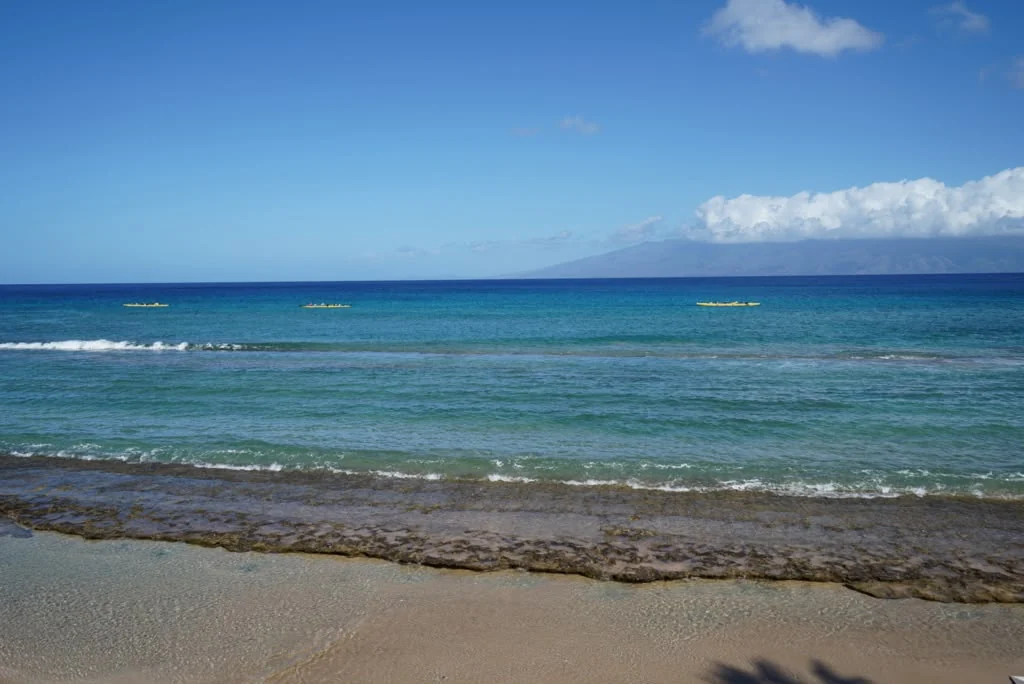
Makena Big Beach Maui is the kind of shoreline that stops people mid-sentence. It runs roughly two-thirds of a mile, backed by kiawe trees and a low lava bluff, and it is wide enough that even on a busy winter morning you can find elbow room. It is also the beach where more visitors get hurt than almost anywhere else on the island. Both things are true, and understanding why is the whole point of this guide.
Where Makena State Park Is and How to Get There
Makena State Park sits at the very end of South Kihei Road, about six miles south of our building at 3559 Lower Honoapiilani Rd #11. The drive from Kihei takes ten to fifteen minutes in normal traffic, and it is one of the prettiest short drives on the island -- the road narrows past Makena Landing, hugs the coast, then opens onto the long lava field that frames the park.
There are two entrances. The main one serves Big Beach (Oneloa), with a paved lot and portable toilets. A second, smaller entrance further south leads to Pu'u Olai and the trailhead area near Little Beach. Gates open at 7 a.m. and close at 6 p.m. in winter, 7 p.m. in summer. The park is free to enter, but the lot fills by 9 a.m. on weekends and by 8 a.m. during whale season. If the main lot is full, do not park on Makena Alanui Road -- the county tickets aggressively and the shoulders are soft lava rock.
The Shore Break: Why Big Beach Earns Its Reputation
Big Beach faces west-southwest with nothing between it and the deep water. That means any swell arriving from the Southern Hemisphere hits the sand at full force, and the beach's steep slope turns that energy into a violent shore break. Waves that look like two feet from the parking lot can throw a full body height when they break on the sand.
The local name for the condition is "break neck" for a reason. Shore break injuries here are almost always the same story: a visitor stands in knee-deep water, turns their back on the ocean to pose for a photo, and gets driven into the sand. The rule that keeps people safe is simple. If you are not comfortable bodysurfing a heavy beach break, stay out past your knees. Watch for ten minutes before you get wet, and if the water is full of experienced locals, that is a signal, not an invitation.
On calm summer mornings -- typically June through September -- Big Beach can be genuinely swimmable, with long lulls and gentle reform. Those are the days to snorkel the rocky points at either end of the bay, where you will find reef fish, occasional turtles, and far fewer people than at the Kihei beaches closer to the condo.
Little Beach: The Trail Over Pu'u Olai
At the south end of Big Beach, a short but steep trail climbs the cinder cone called Pu'u Olai and drops down to Little Beach (Pu'u Ola'i), a small crescent that is unofficially clothing-optional. The walk takes ten to fifteen minutes and involves loose rock, some scrambling, and no shade at all. Wear actual shoes, not flip-flops, and carry water.
A few practical notes. Little Beach is a state park, so the same rules apply, and nudity is technically not legal even though it is widely practiced. Sundays draw a drum circle and a large crowd that is not for everyone. If you go, bring only what you can carry, take your trash out, and do not leave valuables in your car at either parking area -- break-ins are the one crime this remote park sees regularly.
Base yourself ten minutes from Big Beach
Unit 711 at O Thank Heaven 4 711 puts you on the seventh floor with a 35-foot west-facing lanai, reef snorkeling off the lawn, and Makena a short drive south. Book direct and skip the resort fees.
Check availabilityWhat to Bring and What to Leave Behind
Big Beach has no lifeguard, no showers, no food, and no shade except what the kiawe trees throw. Pack accordingly:
- Reef-safe sunscreen and a long-sleeve rash guard. The walk from the lot to the water gets hot by 10 a.m.
- Two to three liters of water per person. There is nothing to buy for miles.
- A beach umbrella or pop-up shade. The trees at the back of the beach are claimed early.
- Sturdy sandals for the Little Beach trail.
- Cash-free essentials only. There are no vendors.
Leave behind: glass containers (prohibited), drones (prohibited in the park), and anything you would be upset to lose in the car. Also leave the sea glass and the coral where it is -- removing sand or coral from a Hawaii state park is a fineable offense.
Timing Your Visit Around Swell, Sun, and Whales
Summer, roughly May through September, is the calm-water window. Mornings are glassy, the afternoon trade winds pick up around 11 a.m., and the sunsets from the bluff above the beach are some of the best on the island. Winter brings the big north and northwest swells that close the beach to swimming for days at a time, but it also brings humpback whales into the channel offshore. From December through April you can stand at the top of the beach and watch spouts and breaches without binoculars.
Sunset is the single best time to be here, and it is also when the parking lot empties out. If you want the classic photo, park at the main lot around 5 p.m., walk north along the sand, and shoot back toward Pu'u Olai as the light goes orange. The same view from a seventh-floor lanai in Kihei is a different composition entirely -- the whole South Maui coastline in one frame, with Lanai and Molokai on the horizon. Both are worth having.
One more thing worth knowing: Makena is the launch point for a lot of the area's best water activity. If you are planning to snorkel, compare notes with our guide to the best snorkeling spots near Kihei, and if you are here in winter, our humpback whale watching guide covers where to look and when. For a wider comparison of South Maui sand, the roundup of best beaches in South Maui will help you decide which one gets your morning.
Respect the Place
Makena is a culturally significant area, with ancient fishing shrines and burial sites along the coastline. Stay on established trails, do not climb on the rock walls, and keep your distance from the endangered Hawaiian monk seals that occasionally haul out on the sand. If you see one, give it at least 150 feet and call the marine mammal hotline. The turtles you will spot off the rocks are protected too -- no touching, no chasing, no selfies at arm's length.
Do that, and Makena gives you exactly what it has given visitors for generations: a wide, wild, unforgettable beach that feels like the edge of the island, because it is. Ten minutes north, our oceanfront condo is waiting with a lanai view of the same water, and the same sunset, at the end of the day.